Pavers That Hold Their Color
Paver Cleaning & Sealing in Richmond for patios, walkways, and driveways with surface buildup and joint deterioration
Weeds sprout between paver joints, algae darkens shaded sections, and polymeric sand washes out during heavy rainfall, leaving gaps that allow individual pavers to shift and create uneven walking surfaces. Bandito's Pressure Washing removes all organic growth, dirt accumulation, and degraded joint material from paver installations throughout Richmond, then applies sealant products that enhance color depth, reduce future staining, and stabilize joint sand to prevent erosion. Property owners see restored vibrancy in faded pavers and improved resistance to moisture penetration that causes efflorescence and surface spalling.
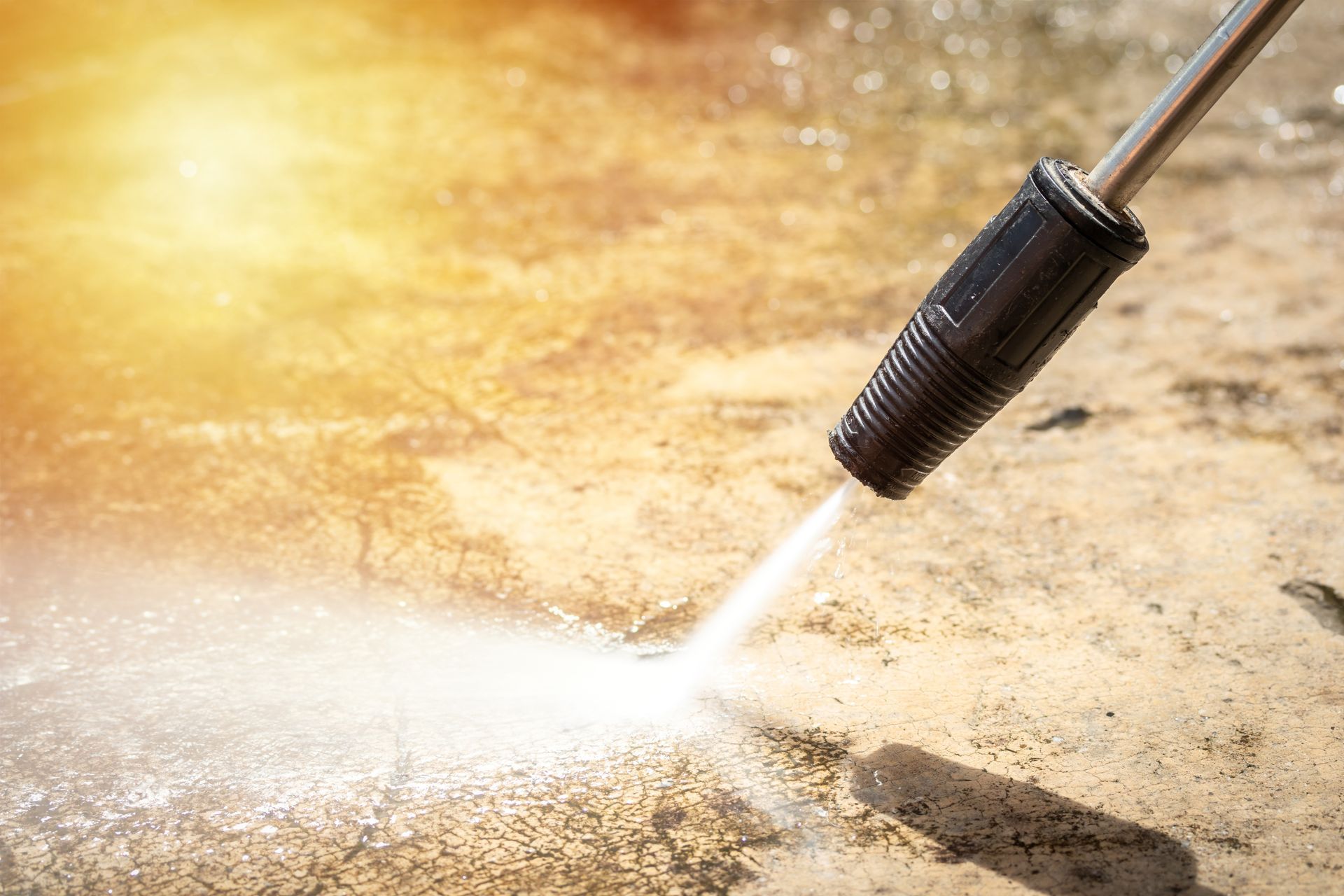
The cleaning process involves controlled pressure washing to remove embedded dirt and algae without displacing intact joint sand, followed by joint re-sanding with polymeric material that hardens when activated with water. Sealing products are applied after the surface fully dries, creating a protective barrier that repels water, oil, and organic staining while deepening the natural color of clay and concrete pavers.
Schedule a paver evaluation to assess current surface condition and receive a sealing recommendation based on your installation age and exposure.
How Sealing Addresses Long-Term Maintenance
Sealing penetrates porous paver surfaces to block moisture absorption that leads to freeze-thaw cracking in winter and prevents oils, rust, and tannins from bonding to the material during everyday use. The polymeric joint sand remains stabilized because the sealant hardens the surface layer, reducing erosion from rain runoff and preventing weed seeds from germinating in the gaps between pavers.
After sealing, paver color appears richer and more uniform, similar to how the surface looked immediately after initial installation, and water beads on the surface instead of soaking in and leaving behind mineral deposits or discoloration. Sealed patios, walkways, and driveways resist staining from leaves, mulch, barbecue grease, and vehicle fluids, making routine maintenance as simple as sweeping and occasional rinsing rather than scrubbing or chemical treatment.
Sealer longevity depends on surface traffic and UV exposure, with high-traffic driveways requiring reapplication every two to three years and low-traffic patios maintaining protection for three to five years. Joint stabilization prevents the need for repeated re-sanding and reduces the likelihood of individual pavers settling unevenly as base material shifts beneath compromised joints.
Questions Property Owners Frequently Ask
Paver sealing involves material selection and surface preparation that directly affect durability and appearance, so these answers clarify the most common concerns.
What does paver cleaning remove before sealing?
Cleaning eliminates embedded dirt, algae, moss, efflorescence, old sealer residue, and organic staining, while also removing degraded polymeric sand from joints so new material can be applied for proper stabilization before the sealing process begins.
How does sealing change the appearance of pavers?
Sealer enhances the natural color of pavers by reducing surface porosity, creating a wet look or matte finish depending on product selection, and restoring the vibrancy that fades over time due to UV exposure and moisture cycles in Richmond's climate.
Will sealed pavers become slippery when wet?
Non-slip additives are available for pool decks and high-traffic walkways to maintain traction, though most sealers applied to patios and driveways do not significantly alter surface friction compared to unsealed pavers exposed to algae growth or smooth wear patterns.
How long does paver sealing last before reapplication?
Sealed driveways typically require reapplication every two to three years due to vehicle traffic and tire abrasion, while patios and walkways with foot traffic only can maintain effective sealing for three to five years depending on sun exposure and maintenance practices.
Can sealing prevent weeds from growing between pavers?
Polymeric sand stabilized beneath the sealer hardens to block weed germination in joints, though perimeter edges and areas where sealant wears thin over time may still allow occasional growth that requires spot treatment or resealing.
Bandito's Pressure Washing evaluates each paver installation to determine the appropriate cleaning method and sealer type based on material composition and site conditions. Reach out to schedule an on-site assessment and receive a detailed estimate for restoring and protecting your paver surfaces.